🇫🇷 Leather from France
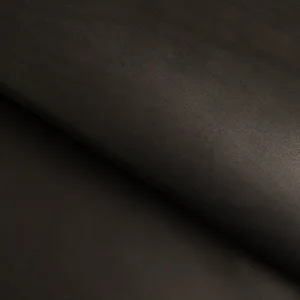
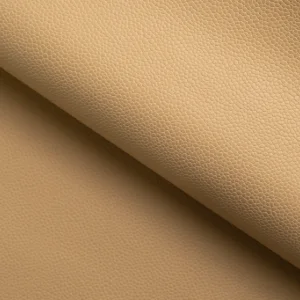
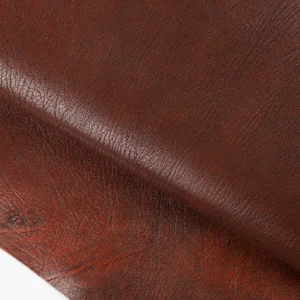
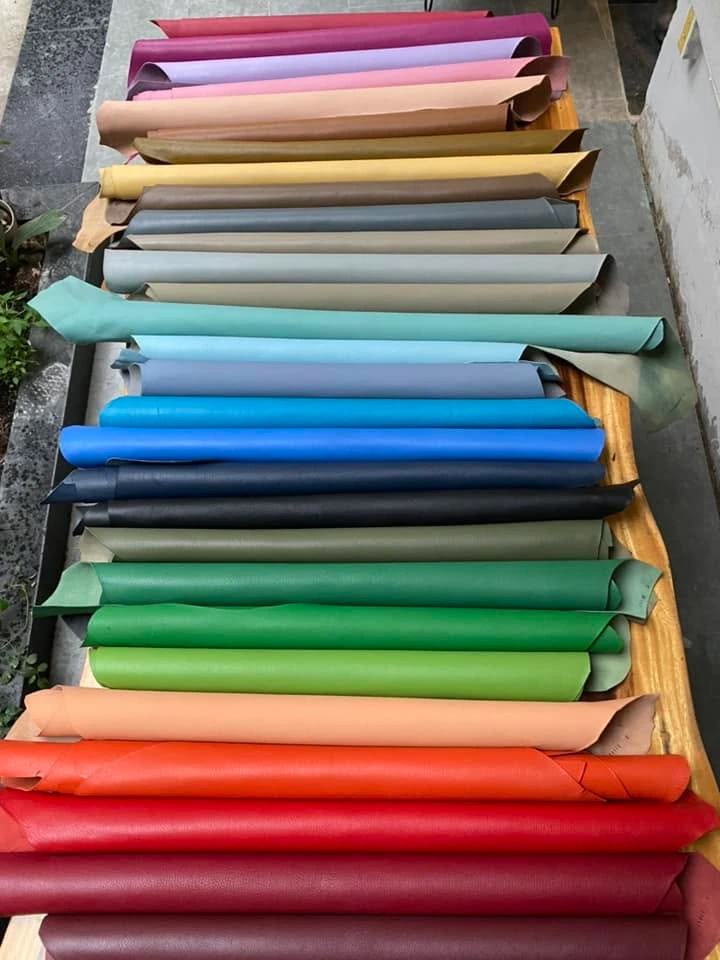
French leather in stock leans toward calfskin and goatskin: smaller hides, smooth grain, thin substance — well-suited for small leather goods and work requiring sharp stitching.
What French leathers are in stock
French leathers in stock lean toward calfskin and goatskin: smaller hides, smooth surface, thin thickness. The three French tanneries currently in stock are Alran (specializing in goatskin), Haas (specializing in calfskin), and Rémy Carriat (chrome-tanned taurillon, meaning young bull about 1 year old). Overall, this is a group of leathers for small, refined items with close stitching.
Why choose French leather for small leather goods
Small leather goods pose two requirements that thick cowhide struggles to meet. First is thinness: a multi-pocket wallet has to fold four to five layers at the thickest spot; if made with thick leather, that spot bulges and the wallet will not close shut. Second, the leather surface must withstand edge folding without cracking — folding the edges of rough leather will crack along the fold.
Calfskin and goatskin solve both: thin, fine fibers, and an unbroken surface after folding. That is why most wallets and cardholders are made from this group of leathers rather than cowhide.
Three tanneries, three product groups
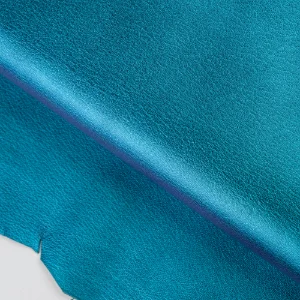
- Alran — three goatskin lines. The lightest and thinnest in stock, yet tough thanks to tightly woven fibers.
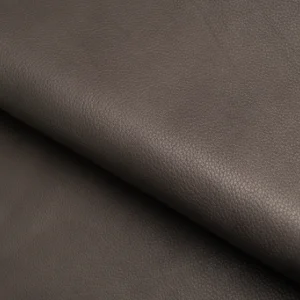
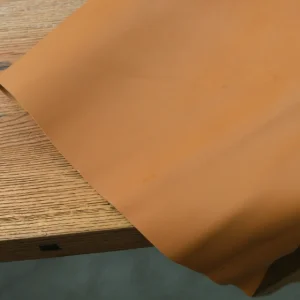
- Haas — five calfskin lines, from semi-vegetable that patinas noticeably (Barenia) to chrome-tanned that retains its color — embossed EPI, Caviar, Evercolor, and smooth Zermatt.
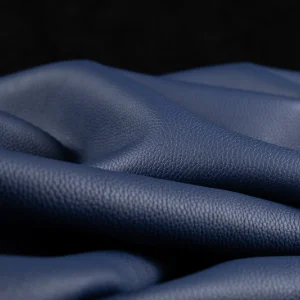
- Rémy Carriat — chrome-tanned taurillon: two napped lines (Nubuck, Velvet) and one large pebbled grain line (Taurillon Clemence). This is the group for bags.
French leather lines by name
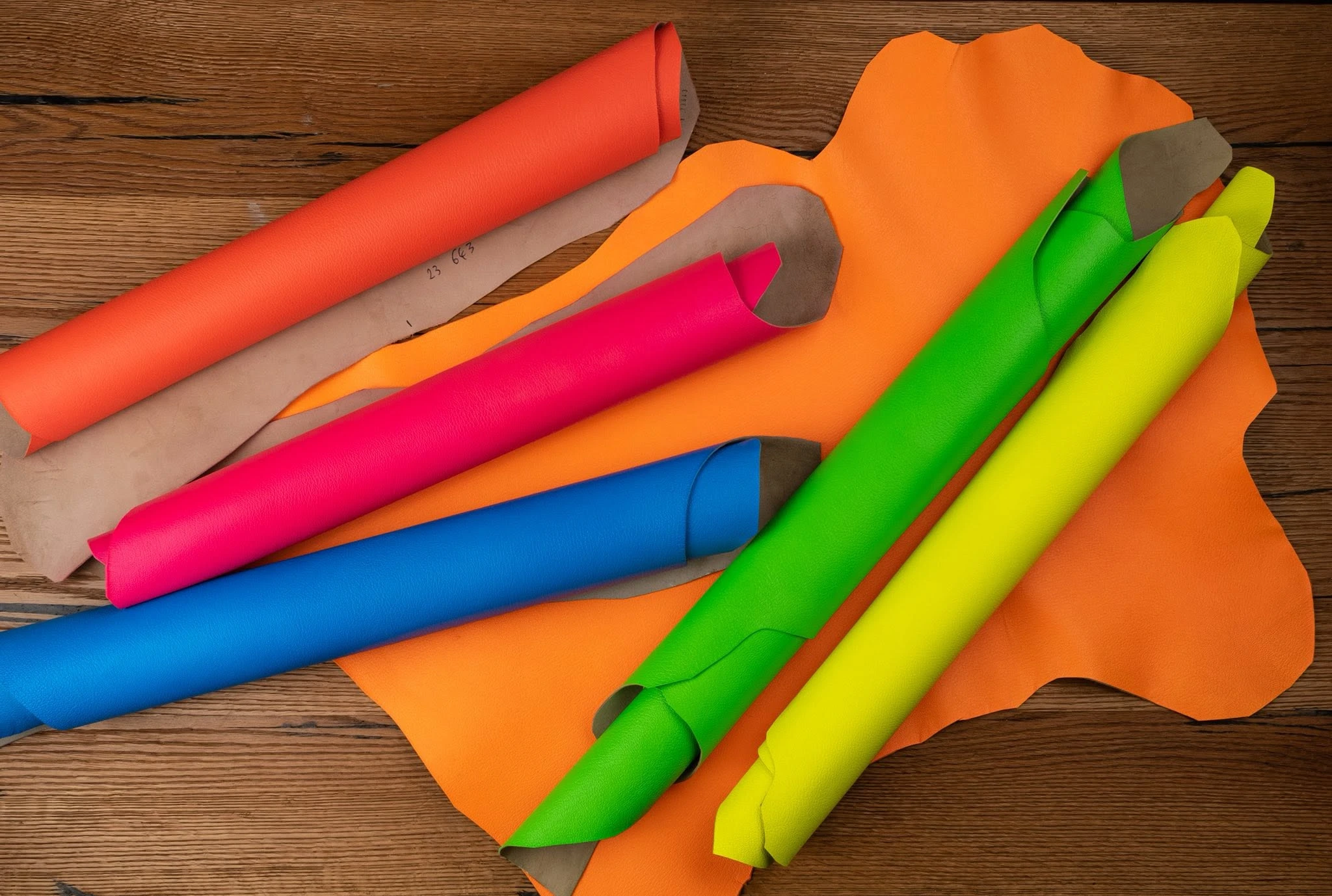
Alran's three goatskin lines are Chevre PatNat, Chevre Sully, and Sully Tuning; Sully also has a bright-color edition, Chèvre Sully Fluo. At Haas, Barenia is the semi-vegetable line that patinas most noticeably, while EPI, Caviar, and Evercolor are embossed options, and Zermatt is smooth — the latter group is chrome-tanned, so it retains its color. If you want to make bags, look at napped Nubuck and Velvet, and large pebbled grain Taurillon Clemence — all are taurillon leather from Rémy Carriat.
Suitable applications
Wallets, cardholders, notebook covers, watch straps, linings — items that require sharp stitching and minimal bulk. If you want to make bags, choose the Rémy Carriat group. If you need a line that is both thin and develops patina to practice patina on small items, start with Barenia.
Does French leather develop patina like Italian leather?
Only partly. Among the French leathers, Haas's Barenia is a semi-vegetable line, so it patinas most noticeably, close to the feel of Italian veg-tan leather. The remaining lines from Haas and Rémy Carriat are all chrome-tanned, so they retain their color for almost their entire lifespan. If you want an item that changes color over time, choose Barenia or turn to Italian veg-tan leather.
How do Alran goatskin and Haas calfskin differ?
Alran goatskin is the lightest and thinnest in stock, with tightly woven fibers that make it tough and slightly raised with natural goat grain. Haas calfskin is smoother and more uniform across the surface, available in both embossed and smooth versions. If making ultra-thin wallets or linings, lean toward Alran; if you want an even, flat surface for printing, stamping, or close stitching, lean toward Haas.
Tanneries in France
Leather lines from France