What is calfskin?
Calfskin has finer fibers and is thinner than cowhide, with an even surface and fewer marks. Suitable for small leather goods, wallets, notebook covers, and areas requiring thin folded edges. The trade-off is smaller hides and higher prices.
What is calfskin
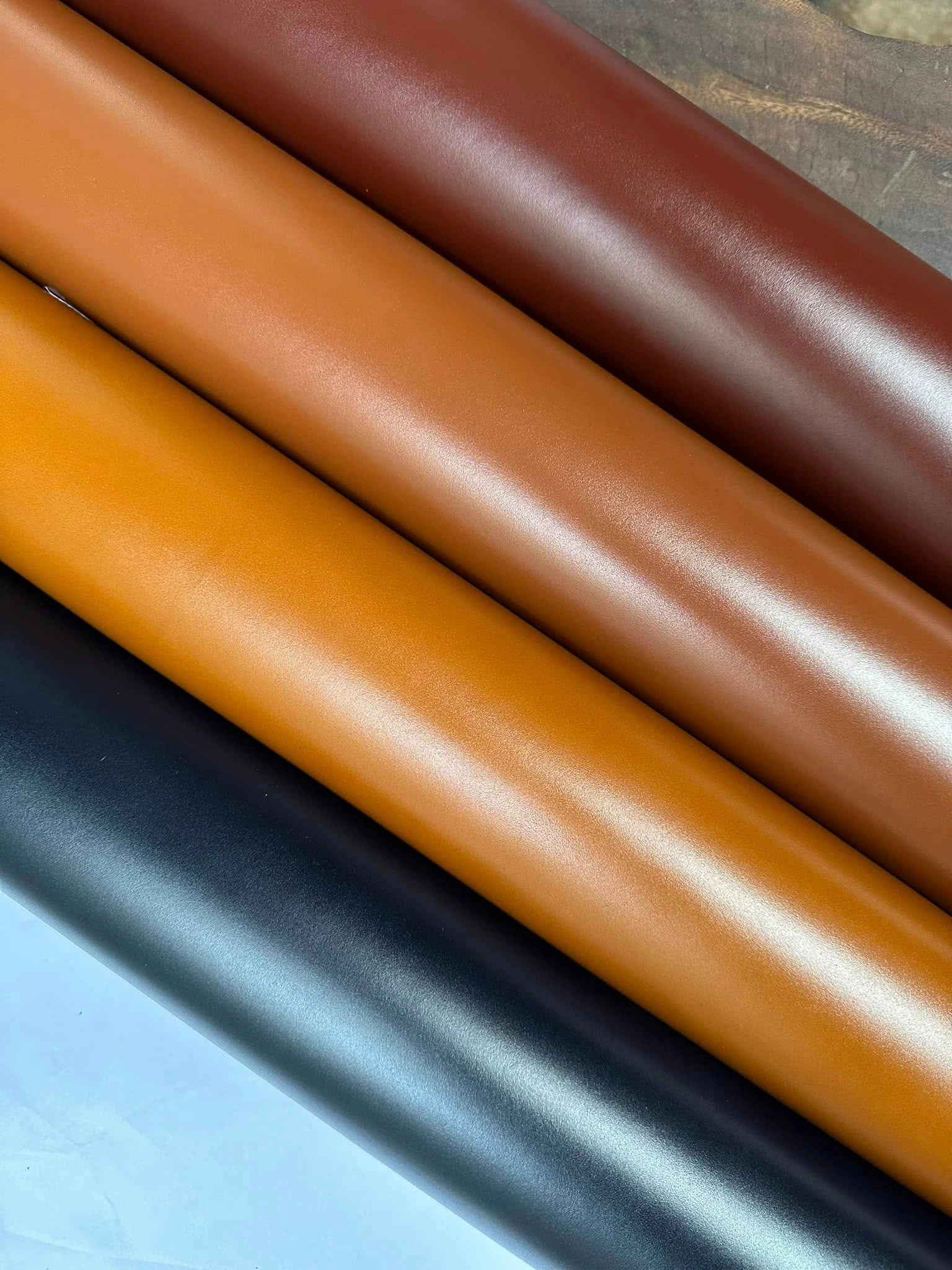
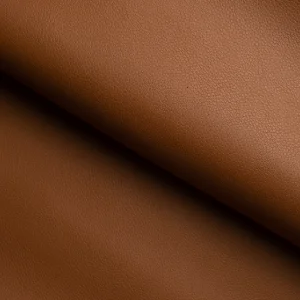
Calfskin is leather from young cattle. Because the animal is not yet mature, the leather fibers are finer and the hide is thinner than cowhide, with a more even surface and fewer marks. In the hand, it feels soft and light, with a smooth, flat surface rather than coarse like mature cowhide.
This is the leather of choice when the surface is the first thing people look at. An evenly smooth surface makes the piece look refined, and because it is thin, stitch lines come out crisp rather than bulky at the edges. With wallets or small goods, the surface is the product, and calfskin gives you the best-looking surface.
Trade-offs
Hides are smaller and prices are higher — in stock, calfskin sits at 450,000–580,000 VND/pia (30×30 cm), compared to 365,000–450,000 VND for cowhide. Smaller hides mean you cannot cut long parts; if you want to make long bag straps, you have to splice pieces or switch to cowhide. Being thin also means it cannot bear as much load; do not make calfskin do the job of a belt.
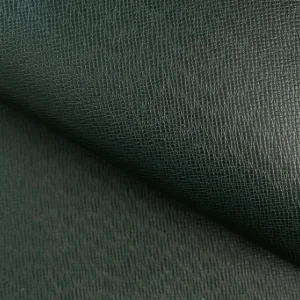
The exception in stock is Taiga: calfskin, but 2.2 mm thick, close to standard cowhide, so it can even handle bag straps while retaining the fine surface of calfskin.
Two groups of chrome-tanned calfskin
Most calfskin in stock is chrome-tanned — stable colors, does not develop patina — and splits into two temper profiles.
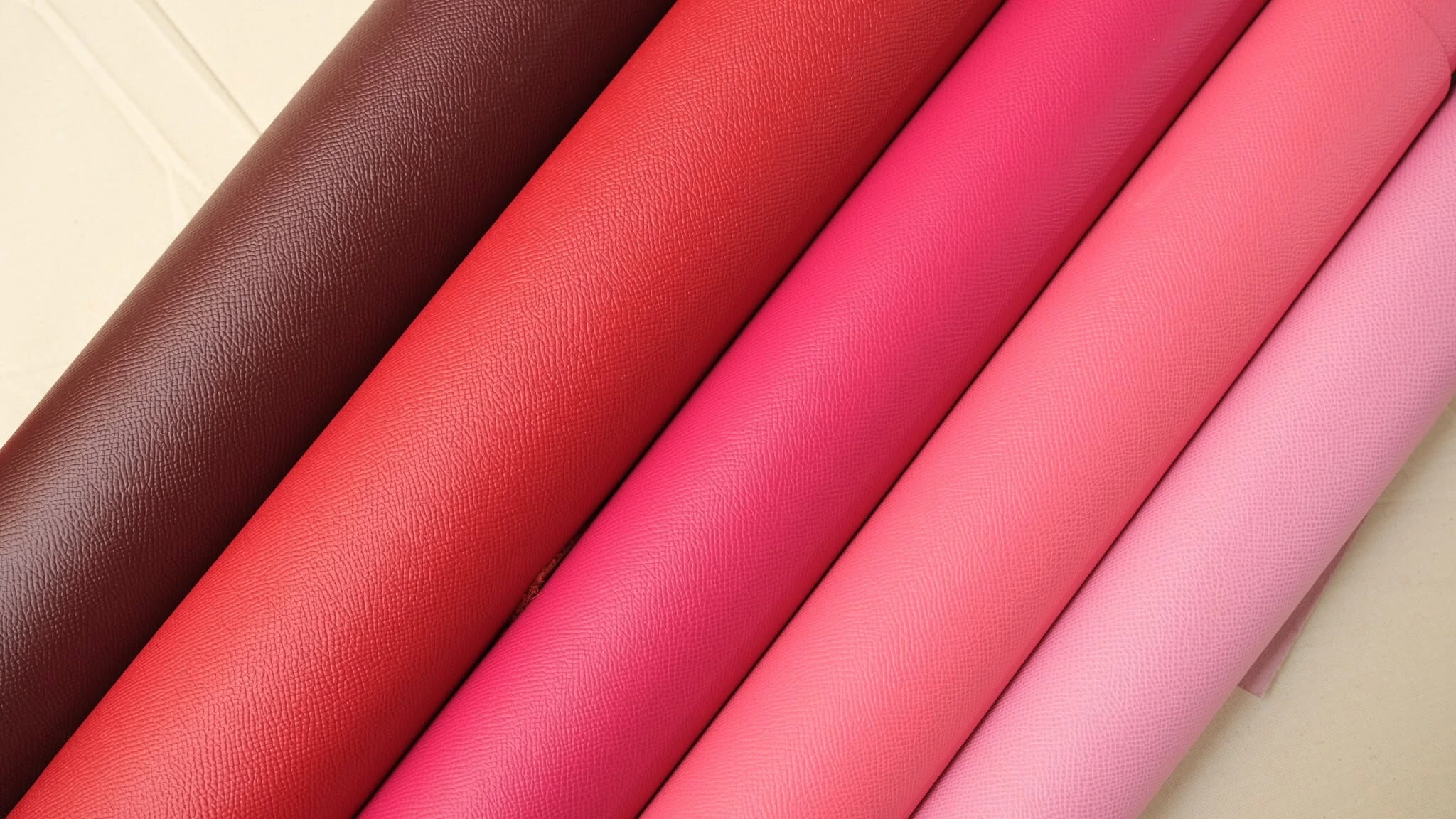
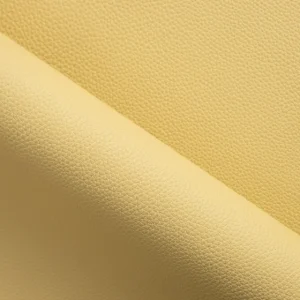
- Structured — Box Calf (flat, completely smooth surface), Epsom (small cross-hatch grain), EPI (parallel ribbed grain), Caviar (round pebbled grain). Holds its shape without stiff reinforcement.
- Soft — Evercolor, Zermatt (soft drape, conforms to shape; if you want to keep its shape, you need reinforcement); while Togo / Odessa Calf is soft yet still has some structure, items needing crisp edges should be reinforced.
Specifically, Barenia is semi-vegetable tanned and is the only calfskin line in stock that noticeably darkens over time — anyone who likes patina but still wants a smooth calf surface should look for this line.
Grain patterns — choosing by project
Grain on calfskin is not just for looks; it also determines surface durability. Raised grain like Epsom, EPI, or Caviar hides scratches well, suitable for daily items that rub against bags or keys; a smooth, flat surface like Box Calf looks refined and sharp, but scratches show clearly, suited for items that see less contact or when you want a clean, minimalist look.
What it is suited for
Wallets, card holders, notebook covers, watch straps — small leather goods that need a good-looking surface and thin folded edges. For bags, choose a leather line that is thick enough or structured enough, like Taiga or the structured group; do not choose a supple leather line without planning for reinforcement.
Is calfskin as durable as cowhide?
Not in terms of load-bearing strength and thickness, but durable enough for its intended job. Calfskin was made for small goods that need a smooth surface and neat folded edges, not for load-bearing items like belts or straps. Used for the right purpose, calfskin lasts a long time; forcing it to shoulder the work of cowhide is when it fails quickly.
Does calfskin develop patina over time?
For the most part, no. Calfskin in stock is primarily chrome-tanned, so colors remain stable, almost unchanged throughout its lifespan. The exception is Barenia, which is semi-vegetable tanned — this is the only calfskin line in stock that darkens and develops a distinct patina over time.