
Alran Tannery
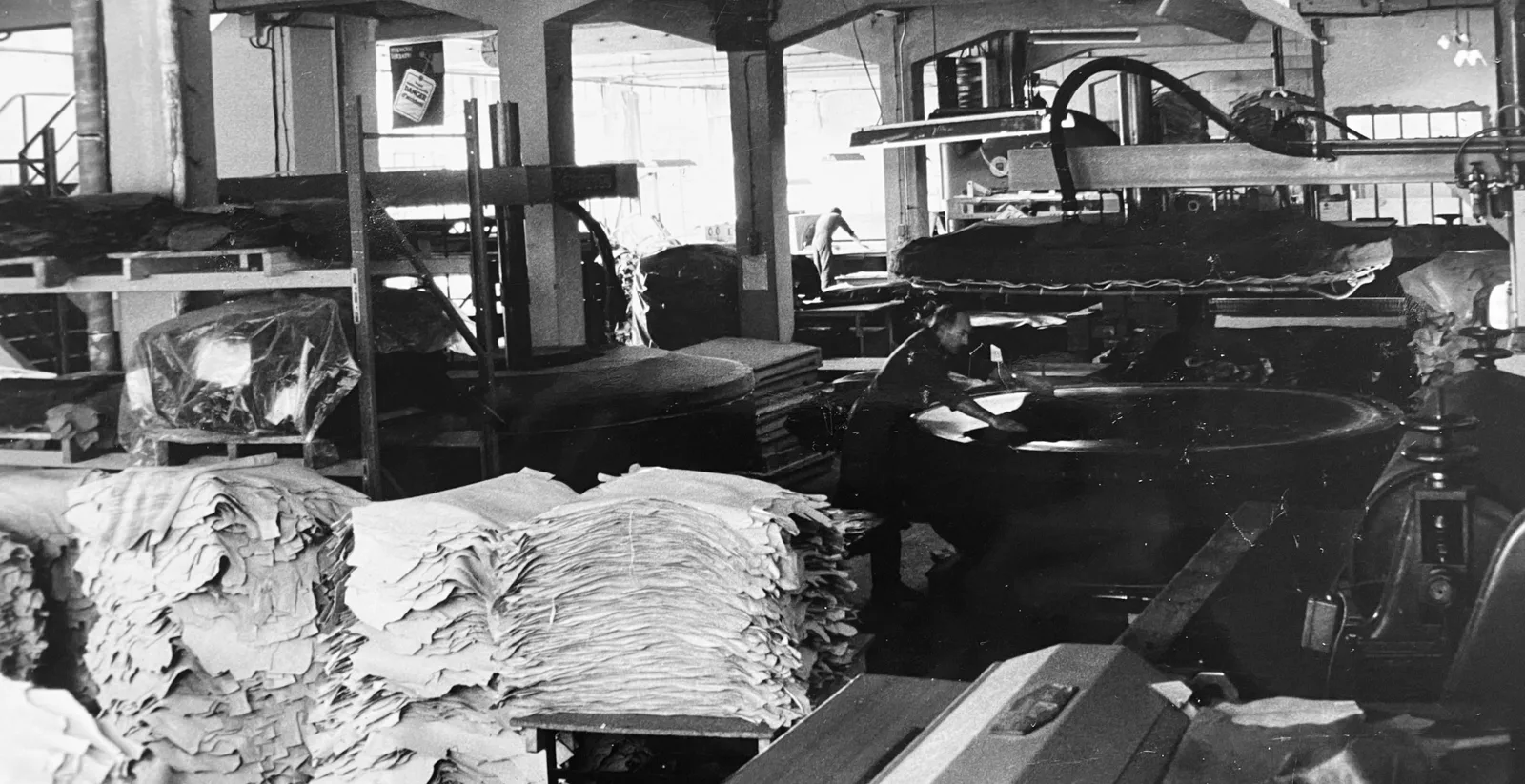
A French tannery specializing in goatskin. Three goatskin lines in stock — Chevre PatNat, Chevre Sully, and Sully Tuning — all come from here.
- Country
- 🇫🇷 France
- Founded
- 1903
- Available leather lines
- 4
What leather Alran makes
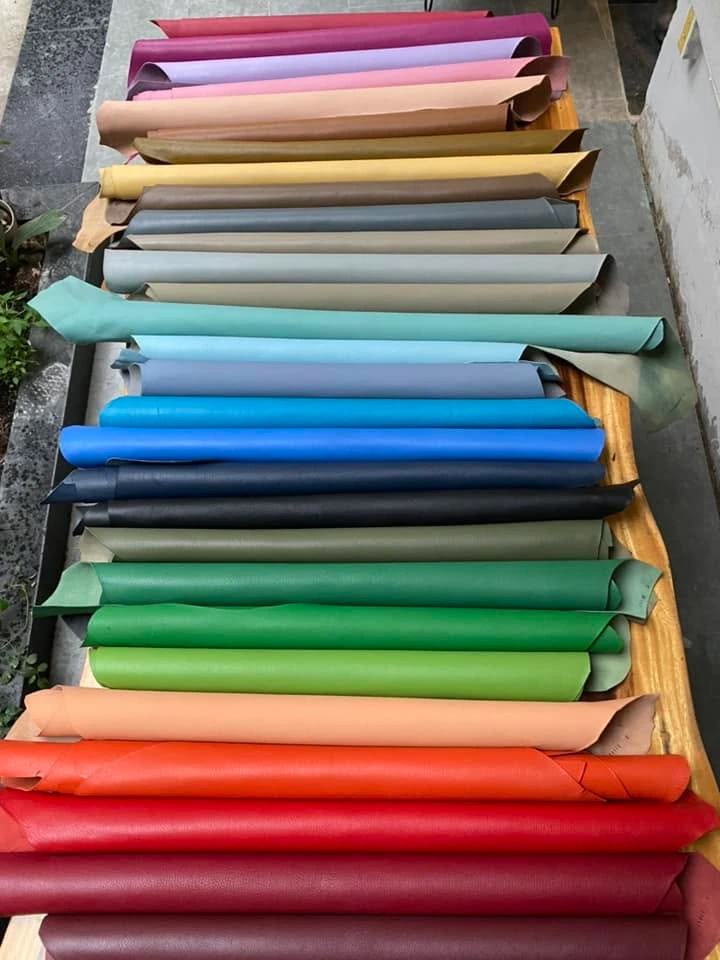
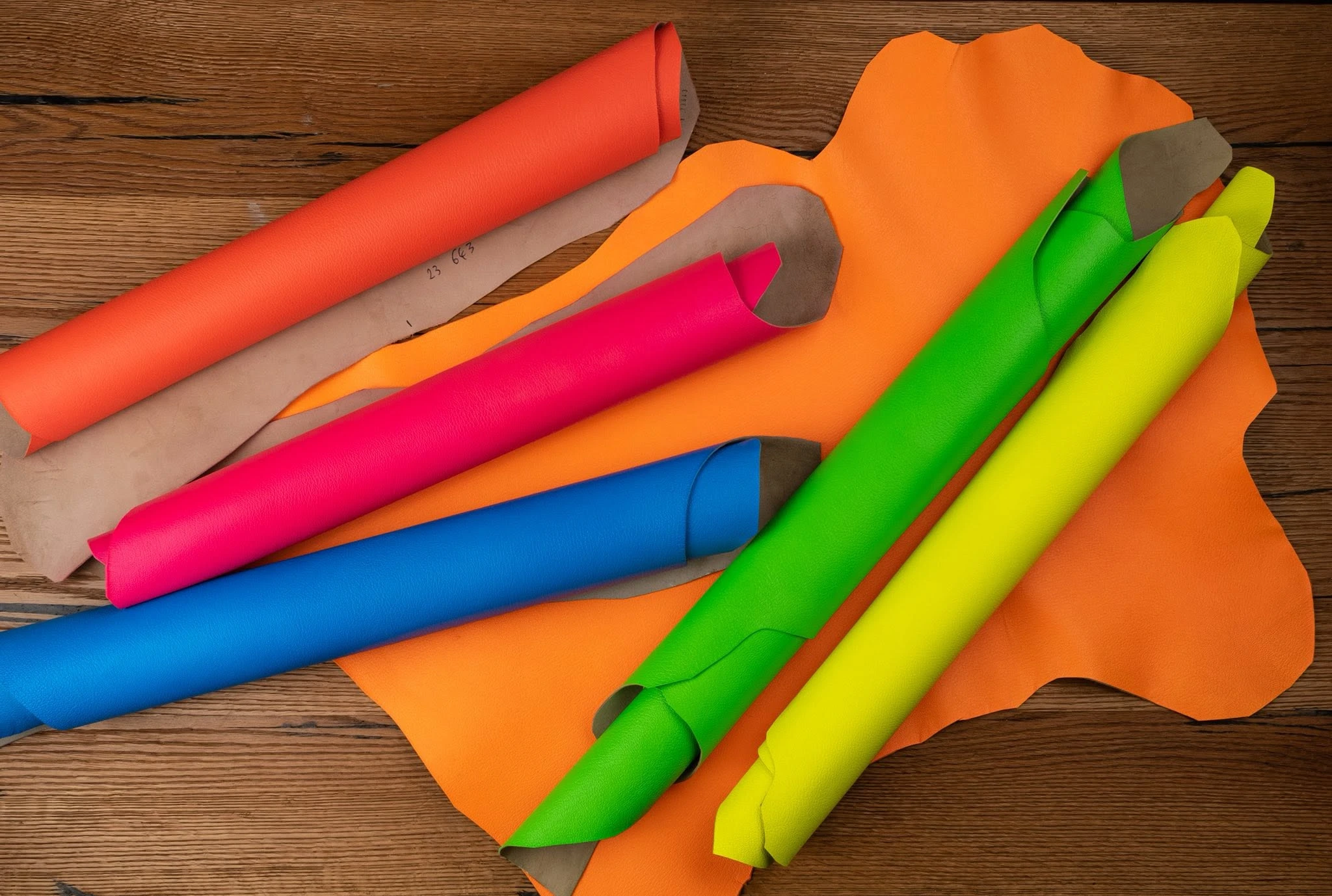
Founded in 1903, Alran is a leading producer of goatskin in France. Three goatskin lines in stock — Chevre PatNat, Chevre Sully, and Sully Tuning — all come from this tannery. Built on the same Sully base is Chèvre Sully Fluo for those who want vivid colors. If you need goatskin, this is the place to start.
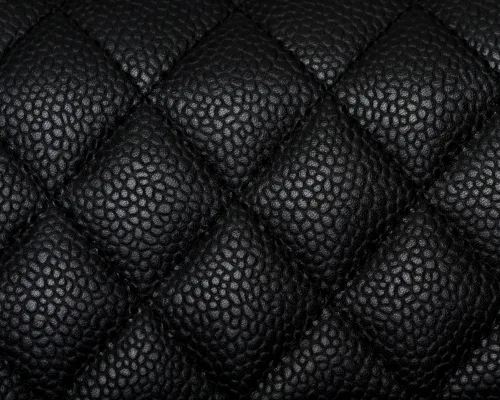
Goatskin differs from cowhide in its fiber structure: much more tightly woven. The result is a hide that is noticeably thinner and lighter than cowhide, yet just as durable — it might feel soft in hand, but pulling on it reveals high tensile strength. The surface features a natural fine pebbled grain rather than an embossed pattern, so every hide is unique, with no two looking identical. The natural grain of goatskin does not run as uniformly as embossed grain, so two pieces cut side by side will still look slightly different — that is completely normal, not a defective hide.
Why crafters choose Alran goatskin
The most practical reason is thickness. A multi-pocket wallet requires folding four to five layers of leather at its thickest point; made with cowhide, that spot bulges, and the wallet will not close flush. Goatskin at around 1.2 mm allows multiple folded layers while keeping the finished piece slim.
The second reason is that the grain withstands edge folding without cracking. The fine pebbled grain stays intact after folding edges, resulting in clean edges on wallets. On small goods with multiple folded edges, this is what determines whether the finished piece looks clean or crude.
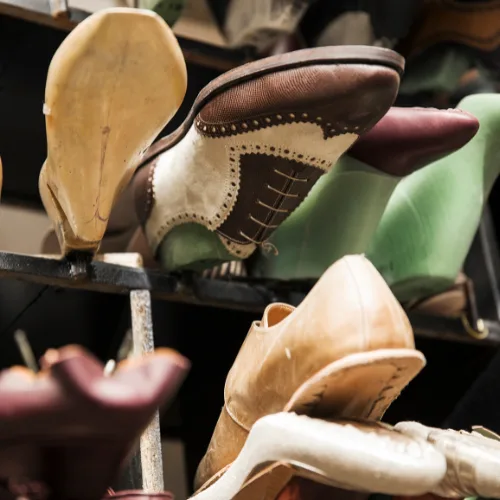
- Chevre PatNat — vegetable-tanned, aniline finish with black patina.
- Chevre Sully — semi-vegetable tanned, more stable color.
- Sully Tuning — same Sully family but vegetable-tanned, standard 1.2 mm thickness.
The three lines represent two distinct finishing directions. PatNat takes the vegetable-tanned route, with an aniline finish with black patina. Sully follows the combination tanned (semi-vegetable) route and Tuning is vegetable-tanned, both pigment-coated so color is stable, suited for those who want their piece to keep its original look.
What it is suited for
Slim wallets, cardholders, linings, notebook covers — goods that need to be light and low-profile. Alran goatskin works well for both the lining and exterior panels of these items because it is thin yet tough, stacking multiple layers without adding bulk. It is not suitable for belts or load-bearing bag straps: that is the job of cowhide, leather thick enough and without lengthwise stretch to handle high tension.
Is Alran goatskin durable?
Yes, much more durable than it looks. Goatskin fibers are tightly packed, so despite the hide being thin and lightweight, it has strong tear resistance — thin here means intentionally thin, not weak. The key is choosing it for the right job: used for wallets, linings, and notebook covers, it lasts for years, but forcing it to bear heavy tension like bag straps or belts is asking more of it than it was built for.
How do Chevre PatNat and Chevre Sully differ?
They differ in tannage and finish. Chevre PatNat is vegetable-tanned, with an aniline finish with black patina; Chevre Sully is combination tanned (semi-vegetable), pigment-coated to keep the color stable.
Alran leather lines available
See other tanneries in France.