🇮🇹 Leather from Italy
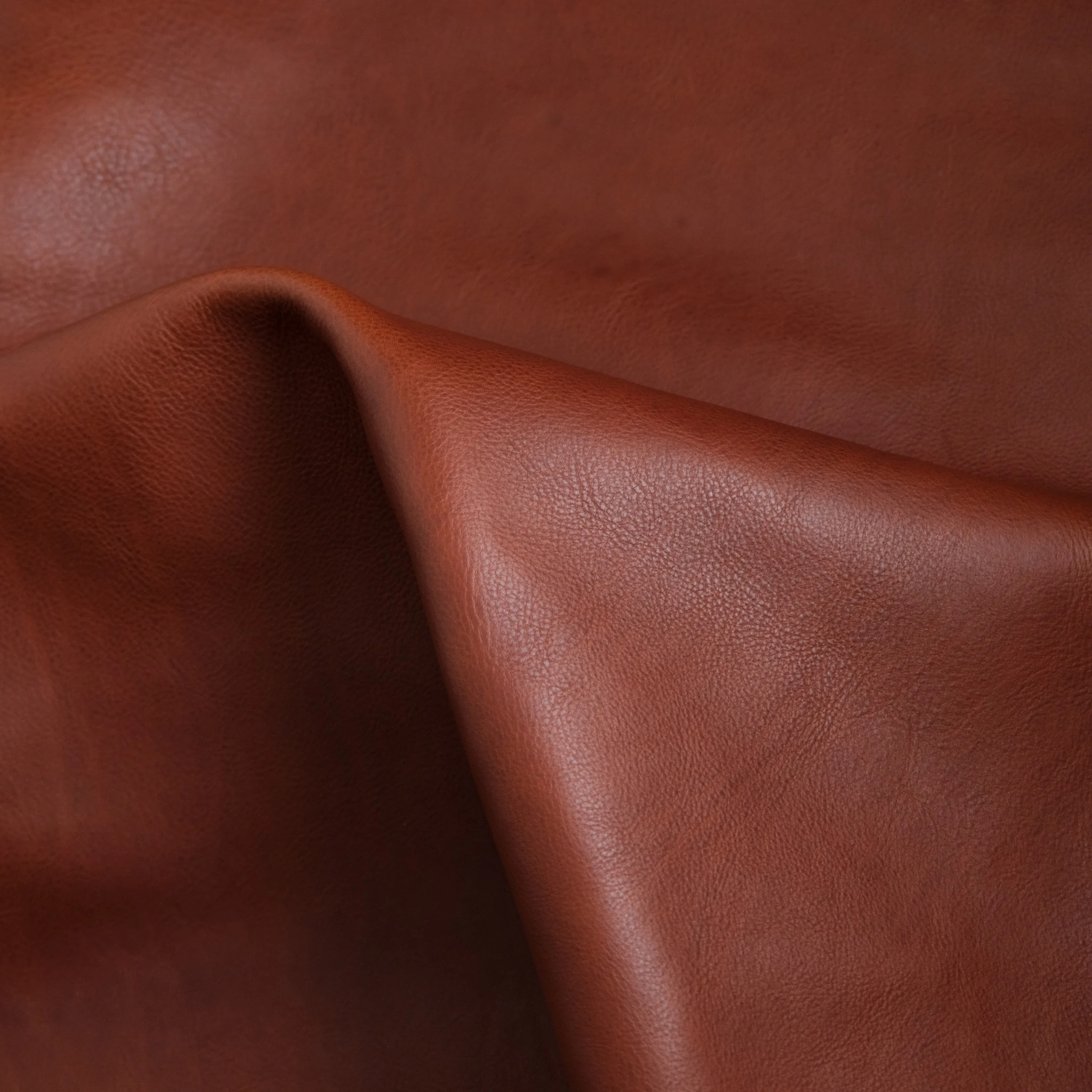
Most Italian leather in stock is vegetable-tanned cowhide from Tuscany — thick, unfinished leather that develops patina over time.
Types of Italian leather in stock
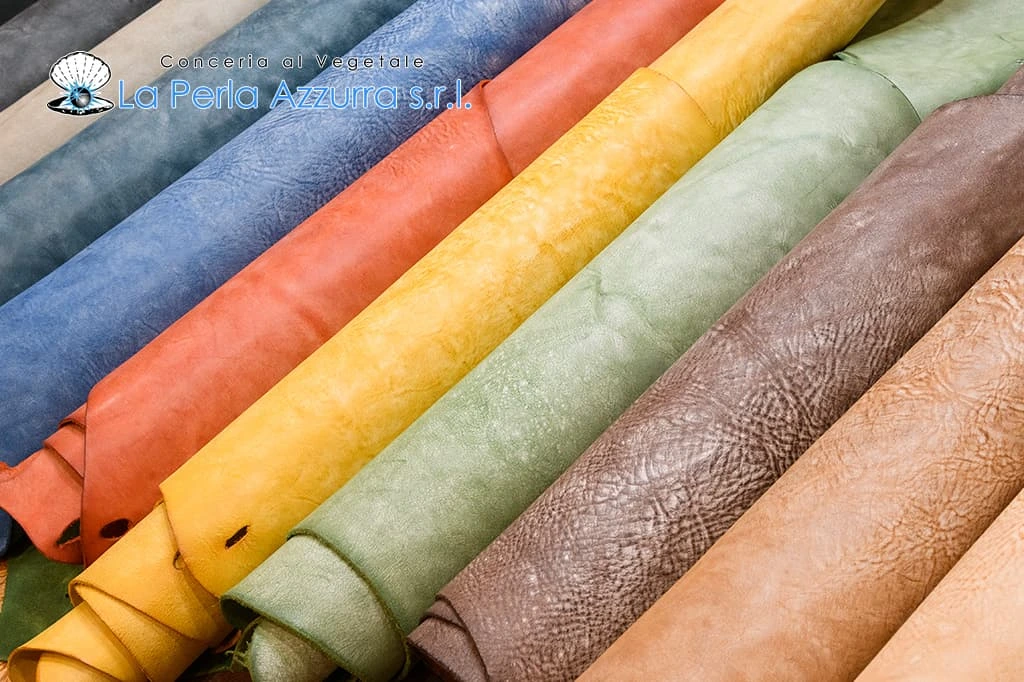
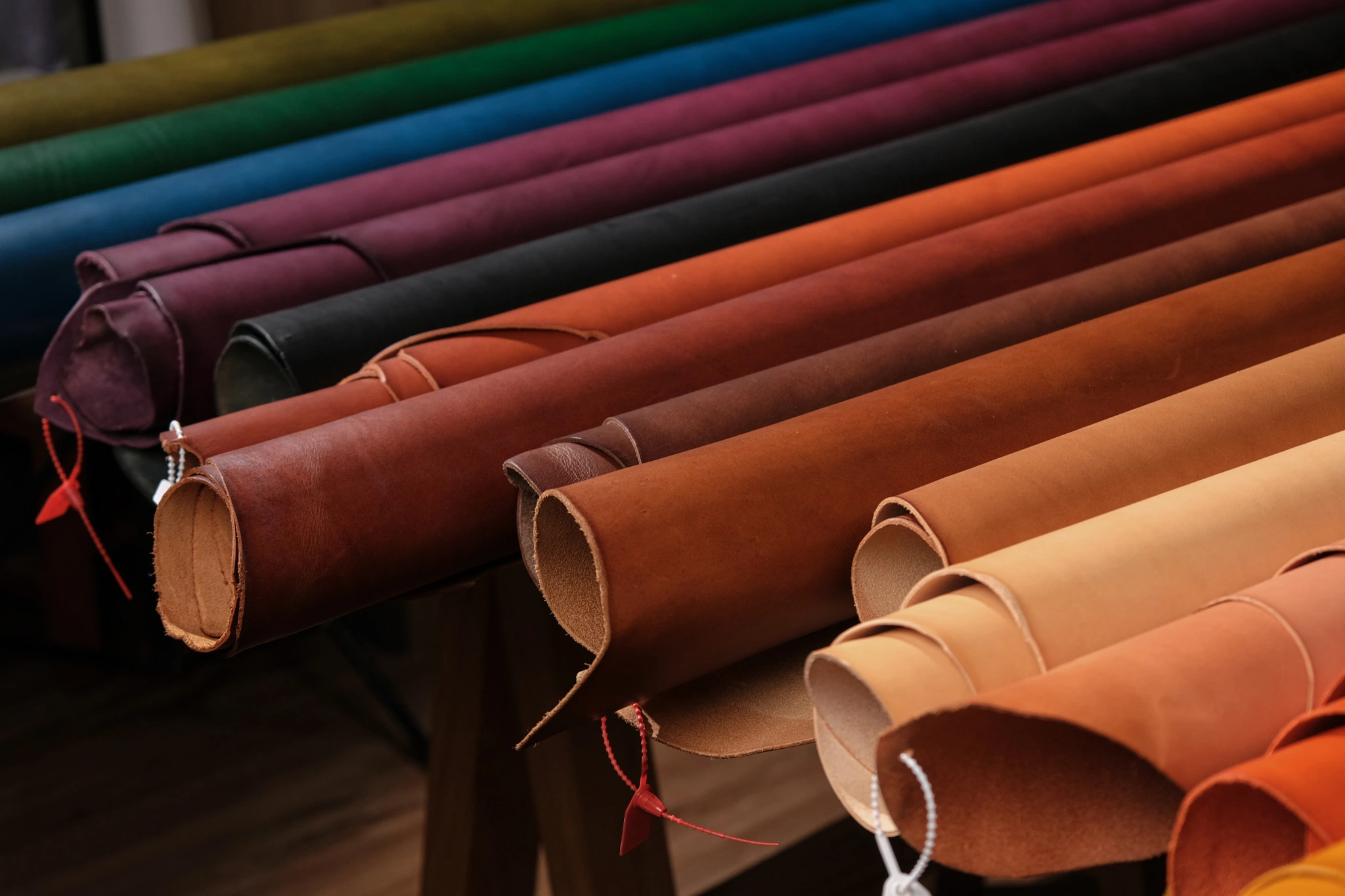
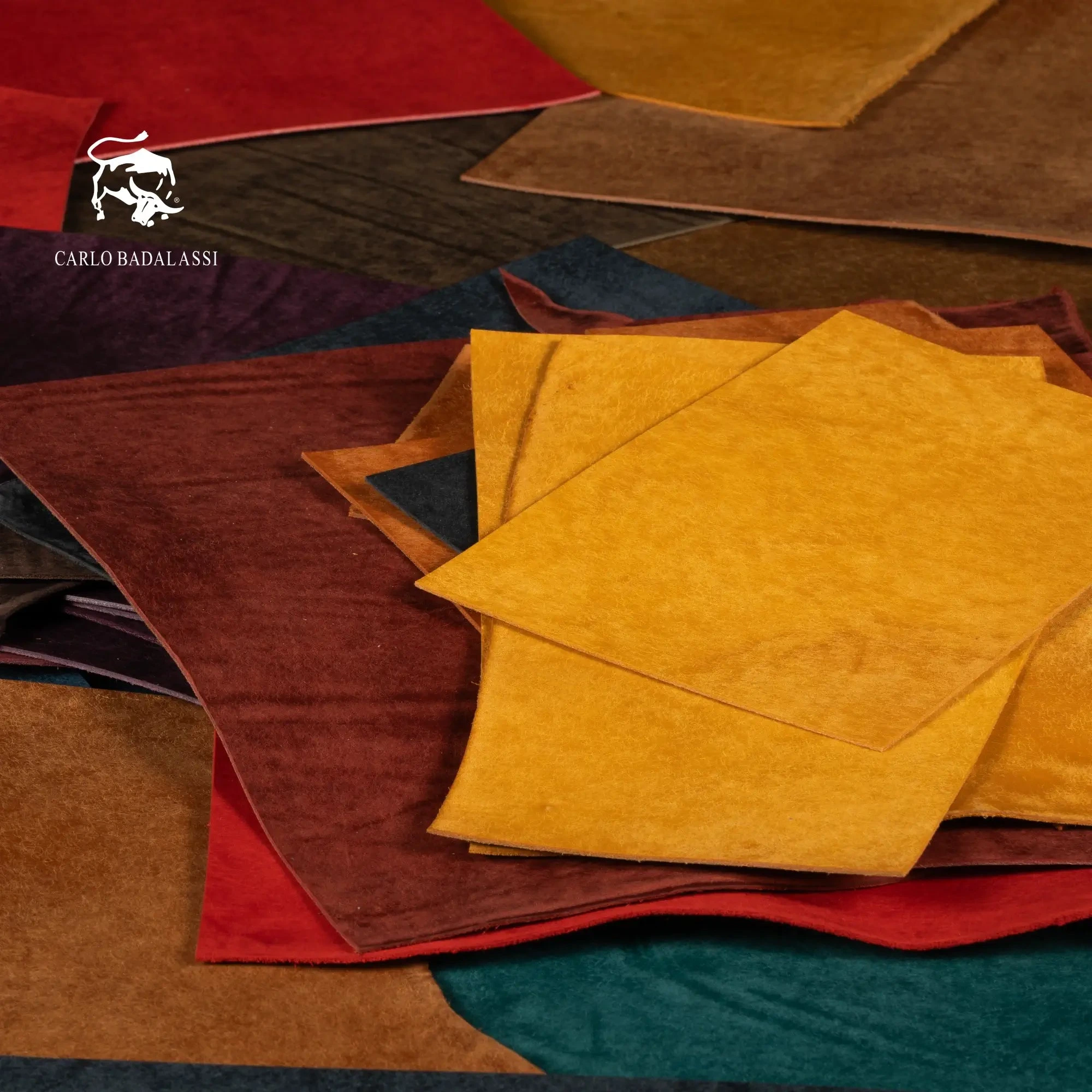
Most Italian cowhide in stock is vegetable-tanned leather from Tuscany — thick, unfinished leather that develops patina over time. Five Italian tanneries are currently available: Badalassi Carlo, Conceria Walpier, Conceria La Perla Azzurra, Conceria Il Ponte, and Thule Conceria. Each tannery has its own expertise, but almost all focus on thick, unfinished veg-tan leather.
Common Italian veg-tan lines
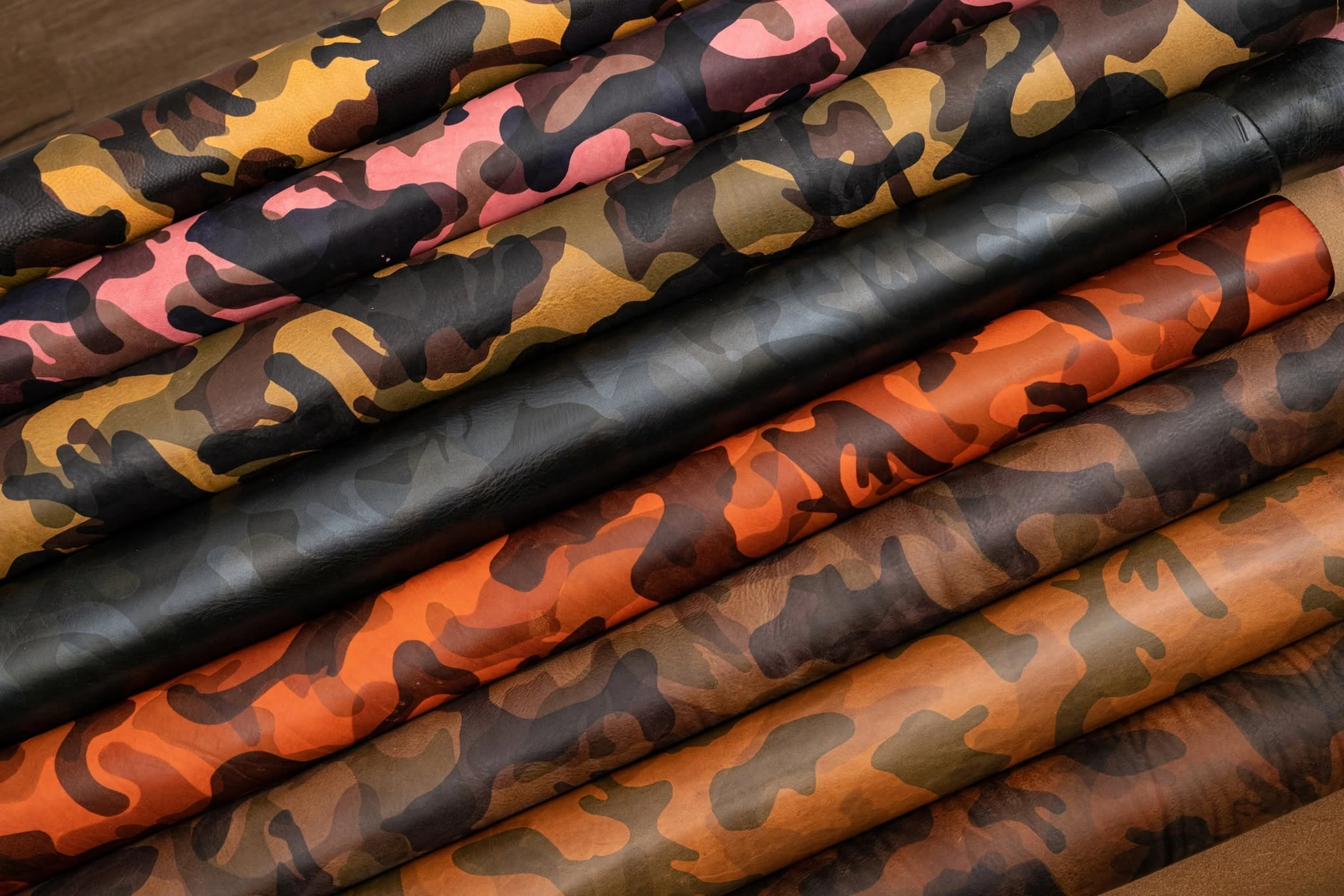
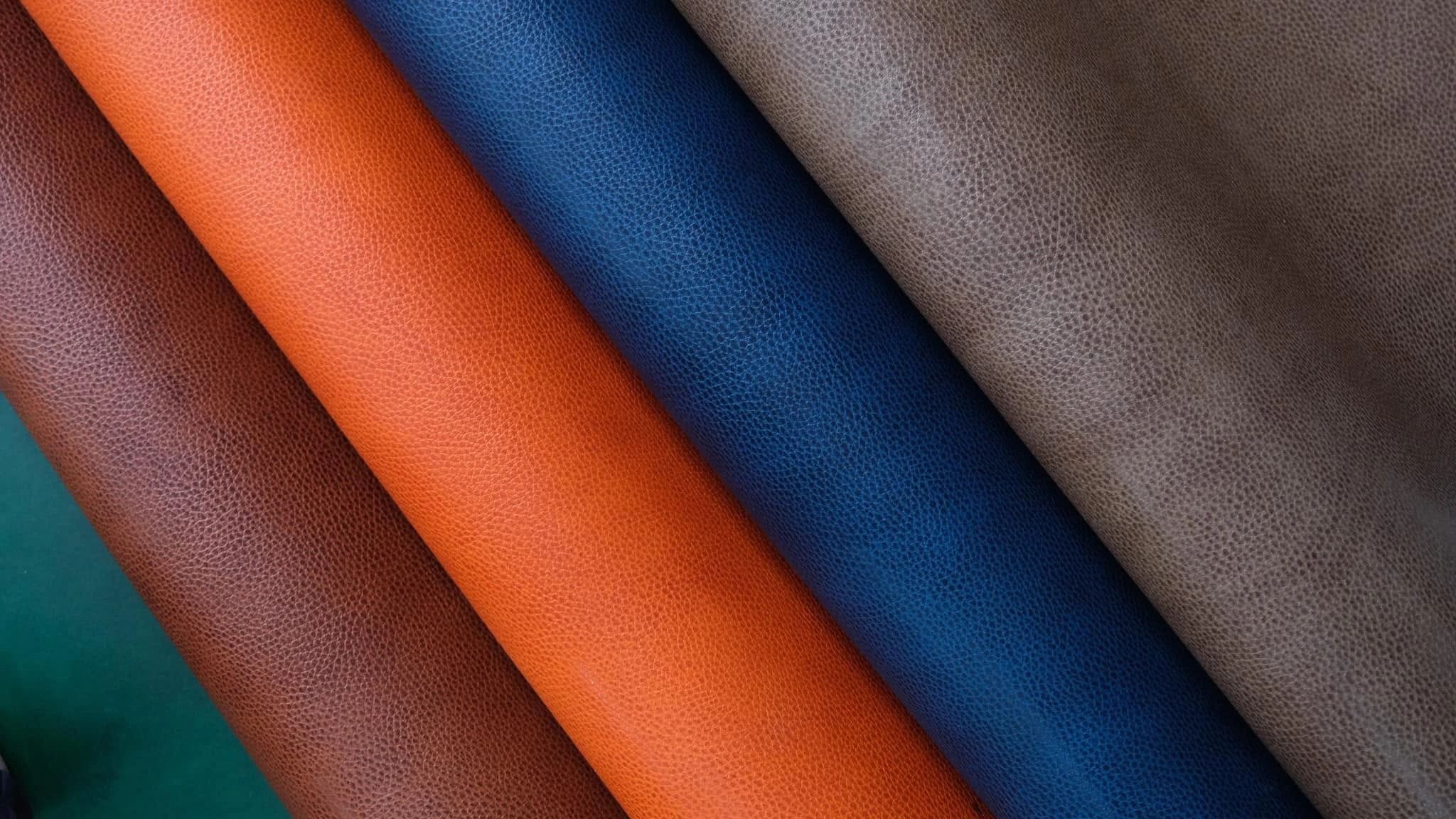
In this group, the most widely known are Buttero and Hatch from Conceria Walpier — Buttero has a smooth grain, tight fibers, and a firm temper that holds its shape, suitable for wallets and belts; Hatch is thicker for straps, belts, and soles. From Badalassi Carlo, there is oil-stuffed Minerva with a pull-up effect, the softer, tumbled Minerva Box with a pebbled grain, and wax-treated Waxy with better water resistance. Also in this unfinished, patina-developing group are Pueblo with a rustic surface that changes color dramatically, Dollaro with an even embossed grain, along with Alaska, Camouflage, and Mozart. To explore the tanning method behind this group, visit the vegetable tanning hub.
Why Tuscany is associated with vegetable-tanned leather
Vegetable tanning uses plant tannins instead of chromium salts. It is slow — weeks in vats instead of a day in drums — and therefore more expensive in terms of tannery production time. Tuscany is where this method is still maintained at an industrial scale, so when craftspeople say "Italian leather," they are usually referring to this category. You pay for the time in the tanning vats, and in return, you get leather that takes on patina over time.
How to identify Italian veg-tan leather
- Holds structure. Pick up the hide and it stands on its own, without draping like soft chrome-tanned leather.
- Unfinished grain. The surface has no heavy pigment coat, keeping the natural grain visible.
- Develops patina over time. With a few months of use, it gradually darkens and develops a sheen where handled. This is the biggest difference compared to chrome-tanned leather.
- Sensitive to water initially. Standing water droplets leave dark ring marks that are difficult to remove.
These four signs go together. If all four are present, it is almost certainly unfinished veg-tan leather; if a few are missing, the hide is likely top-coated or combination-tanned.
What it suits
Belts, wallets, card holders, watch straps, and notebook covers — everyday carry items where the leather has time to develop patina. The hides are large, so you can cut long components without piecing. The leather has a firm temper, allowing sleeves, cases, and wallet walls to hold a clean shape without stiffeners.
Thule Conceria takes a different direction: their Taiga line is a 2.2 mm chrome-tanned calfskin, not part of the Tuscan veg-tan group. If you need leather that retains its color and has a softer feel, this is a notable Italian exception.
Is Italian leather always vegetable-tanned?
Not necessarily. Most Italian leather in stock is Tuscan veg-tan cowhide, but there are exceptions like Taiga from Thule Conceria — a chrome-tanned calfskin. When choosing by country of origin, check the tanning method of each specific line rather than assuming every Italian hide is veg-tan.
Which Italian leather line should you start with?
If you are just starting out, choose Buttero: the smooth grain cuts cleanly, burnishes easily, and holds its temper naturally, saving you a lining step. If you want to see the leather change color quickly, pick Minerva or Pueblo. If you need heavier stock for belts and straps, go with Hatch. These three directions cover almost everything a beginner typically makes.
Tanneries in Italy
Leather lines from Italy