
What Is the Difference Between Togo and Taurillon Clemence Leather?
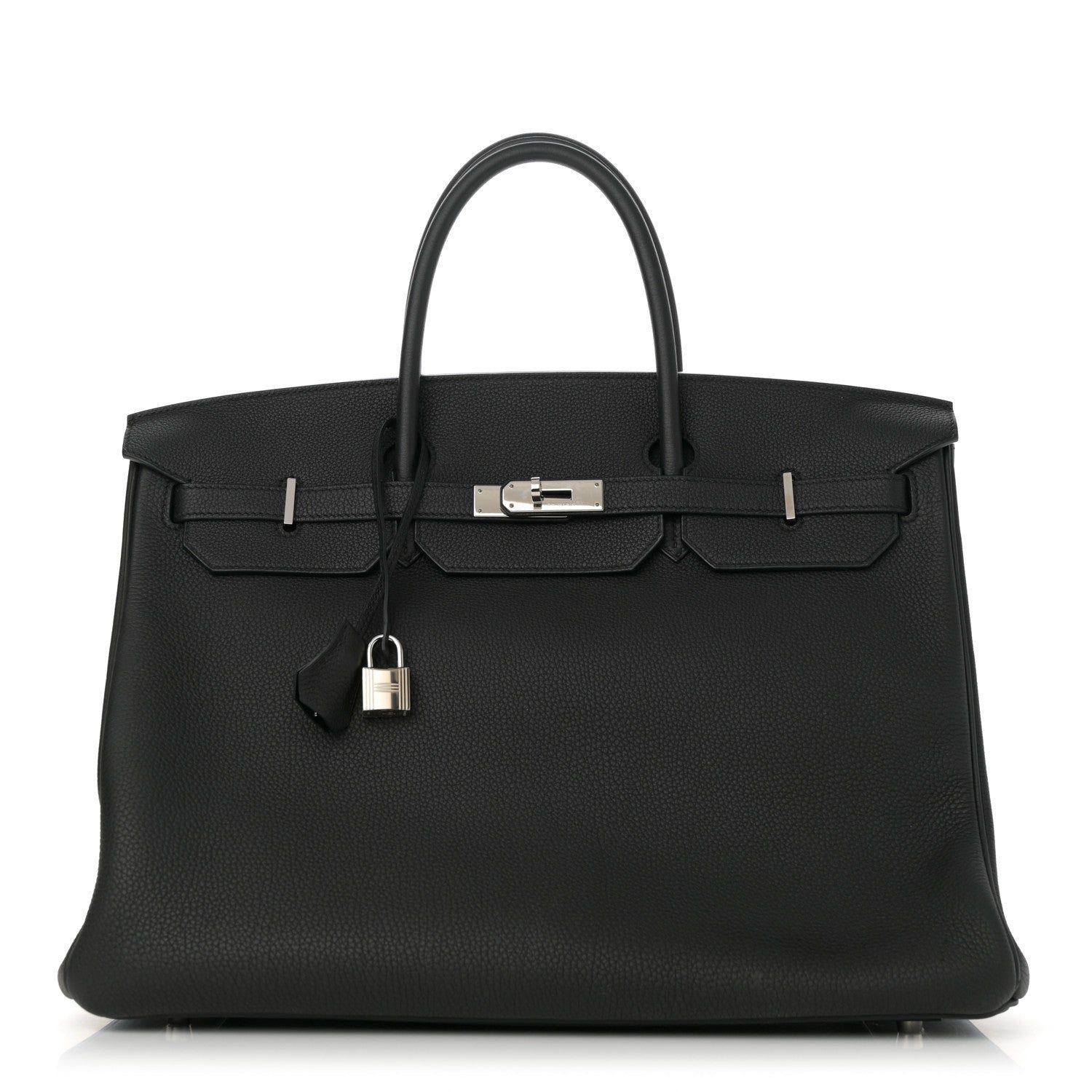
Togo has a smaller, raised grain and holds its shape; Clemence has a larger, flatter grain, is heavier and softer, and slouches with use. A maker-focused comparison — view hides at Kit Leather.
The shortest summary of differences: Togo has a smaller but raised pebbled grain and holds its shape, while Taurillon Clemence has a larger, flatter grain, and the hide is heavier and softer, so it gradually slouches with use. Both are natural pebbled grain chrome-tanned leathers, very easy to confuse side by side — but when prototyping, the two require two different approaches.
Distinguishable in five seconds
Place the two hides side by side and look at an angle under the light, not straight down from above:
- Togo: smaller grain but raised, has depth, and catches light clearly, so the leather surface looks textured and lively.
- Clemence: larger and flatter grain, spread out as if lightly pressed, and the leather surface looks flatter and more subdued.
Pick them up and another difference becomes clear: the Clemence hide feels heavier in hand and drapes more; the Togo hide is lighter and still has a bit of backbone when stood up.
Comparison by criteria leather makers need
- Grain size: Clemence is larger · Togo is smaller.
- Grain relief: Togo is raised, has depth · Clemence is flatter.
- Hide weight: Clemence is heavier · Togo is lighter.
- Softness: both are soft, but Clemence is a step softer.
- Shape retention: Togo retains most of its original shape · Clemence gradually slouches over time with use.
- Color change: neither does — see the section below.
In short: Togo is the "neater, more structured" version; Clemence is the "heavier, more drapey" version. Neither is better than the other, only which one suits what you are making.
These two leathers come from two different tanneries
This is where almost every online comparison falls short, because they only talk about designer bags without actually handling the hides.
The Togo hides Kit imports — with the commercial name on the hide being Odessa Calf — come from Weinheimer (Germany, founded in 1849), a tannery specializing in chrome-tanned calfskin. According to the supplier, the Taurillon Clemence hides come from Rémy Carriat (France, founded in 1927), and at Kit, it is young bullhide (taurillon, around 12 months old), not calfskin, in large hides.
So when you search for "Togo" in posts about Hermès bags, that is Hermès's material name — and Hermès does not retail Togo leather by the hide. Meanwhile, "Togo / Odessa Calf" and "Taurillon Clemence" sold by the hide are the commercial names from the tanneries. The same leather material, two different naming systems.
Cutting and assembly: which one is trickier?
Both are soft (Clemence is more drapey), so the hide easily shifts under the blade — you must hold it down firmly when cutting, do not rely on one long pull stroke. But each is difficult in its own way:
- Clemence is difficult with area matching: grain size varies across different areas of the same hide, so two pieces joined together must be cut close to each other, otherwise they will have two different grain patterns that look like two different pieces of leather. A large grain also means a small component will only contain two or three pebbles, looking uneven rather than showing the grain effect — so Clemence should be cut for larger panels.
- Togo is difficult with structure: the leather is softer than Epsom or Box but still has moderate temper rather than draping like Clemence; if making items that need a boxy shape and crisp edges, the advice is to line with stiffener — along with the sequence of tasks that follows (selecting stiffener temper, gluing evenly, finishing two-layer edges) and an additional point that might delaminate after a few years.
A common point to remember: hot creasing flattens the grain, and once flattened it does not bounce back — be careful during edge finishing and creasing on both leathers.
Two points where sources contradict each other
Kit tells you straight instead of arbitrarily picking a side:
- Which one resists scratches better: some sources rank Clemence above Togo with the reasoning that the flat grain acts like a shield; other sources only praise Togo. In reality, both hide scratches better than smooth leather, because the raised grain disrupts reflections so scuffs do not show up as bright lines. The difference between the two is much smaller than the difference between "grained" and "smooth".
- Can Clemence be used for small goods: some sources say Hermès uses Clemence even for watch straps. With the Clemence hides in Kit's stock, the recommendation remains not to — the grain is large, so small components lose the effect. If you want a pebbled grain on small items, Togo is more suitable, or consider Caviar leather.
Which item should use which leather?
- Choose Togo when making wallets, small grained items, bags that need to hold their shape — or when you want distinct pebbled grain while still being able to cut moderate-sized components.
- Choose Clemence when making large, soft-structured bags, items you want to feel substantial in hand and drape naturally, and you accept that it will gradually slouch as a feature rather than a flaw.
- Need a completely rigid structure, without lining: neither is an option — see Epsom leather.
Do both Togo and Clemence darken over time?
No, neither does. These two are chrome-tanned, so they keep their original color for almost their entire lifespan, neither darkening nor developing a sheen like vegetable-tanned leather. You might read somewhere that Clemence "develops a deep patina over time" — what actually changes over time is softness and shape (the leather drapes more, the item slouches), while the color stays put. If you want to see leather change color with the user's hands, look at Pueblo leather or vegetable-tanned leather lines.
See Togo and Clemence hides at Kit Leather
Kit sells both by the hide — for each hide you can view its exact area, thickness, color, and price, so you can compare the two leathers on actual hides rather than on paper. Read about each in detail at what Togo leather is and what Taurillon Clemence leather is, or browse current stock: View available Togo hides → and View available Taurillon Clemence hides →. Not sure which one to choose, message Zalo so Kit can help evaluate based on what you are making.